
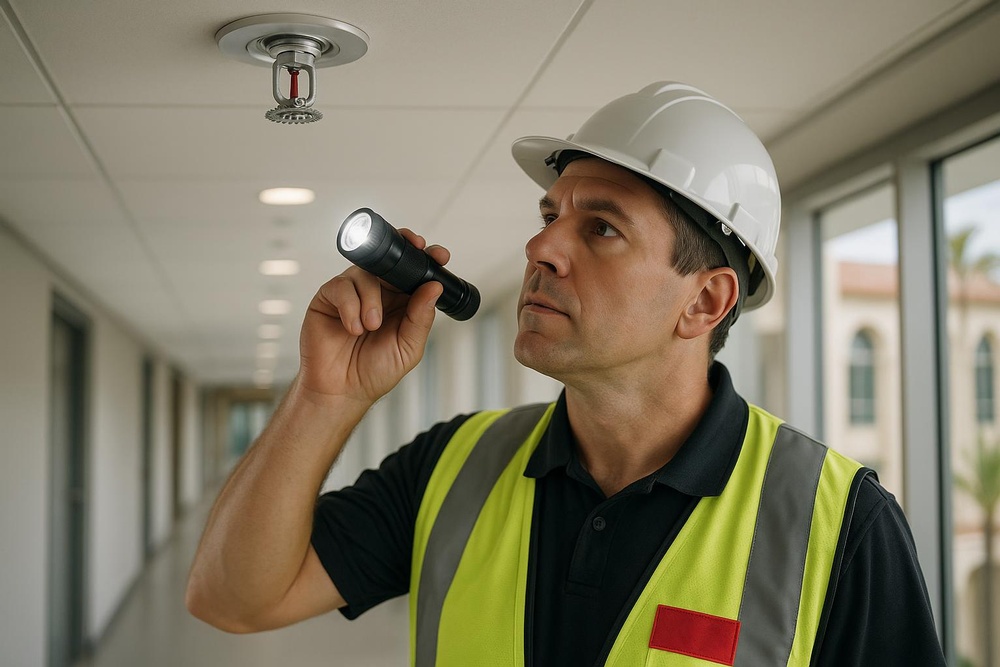
How Routine Fire Sprinkler Inspections Safeguard Your Southern California Property
- Action Fire Protection
Categories: fire protection services , fire safety compliance , NFPA 25 , Southern California property safety , fire sprinkler inspections
Why Fire Sprinkler Inspections Are Essential for Southern California Properties
Imagine the peace of mind you feel when you know your property—whether it’s a commercial building, industrial facility, or residential complex—is protected by a reliable fire sprinkler system. In Southern California, where fire risks are heightened by dry weather and densely populated urban areas, maintaining your fire sprinkler system is more than a regulatory checkbox. It is a critical step in safeguarding your investment, ensuring business continuity, and protecting lives.
Routine fire sprinkler inspections are not just about ticking off a compliance box. They are your first line of defense against unexpected fire hazards. By adhering to NFPA 25 standards and integrating regular fire safety compliance inspections into your maintenance schedule, you significantly reduce the risk of system failures when you need protection most. If you operate in Orange County, Riverside, Los Angeles, San Bernardino, or Ventura County, understanding the value of these inspections is essential for responsible property ownership and management.
The Role of Routine Fire Sprinkler Check-Ups in Risk Mitigation
When you schedule routine fire sprinkler check-ups, you are investing in the long-term safety and operational reliability of your property. Fire sprinkler systems are complex networks designed to detect and suppress fires before they escalate. However, like any mechanical system, they require periodic assessment to ensure optimal function.
- Early Detection of Issues: Regular inspections allow you to catch corrosion, leaks, blockages, or mechanical failures before they become critical problems.
- Compliance with Local Codes: Southern California fire safety regulations mandate periodic inspections to meet local and state requirements. Staying compliant helps you avoid costly fines and legal complications.
- Insurance Benefits: Many insurance providers require proof of regular fire sprinkler inspections. Keeping your records up to date may help reduce premiums and ensure coverage in the event of a claim.
- Operational Readiness: Ensuring your system is always ready to activate in an emergency means you are truly prepared to protect your property, assets, and occupants.
By prioritizing these check-ups, you demonstrate a proactive approach to fire risk management, which is especially crucial in fire-prone Southern California regions.
Understanding NFPA 25 Standards and Local Compliance
The National Fire Protection Association’s NFPA 25 standards set the benchmark for the inspection, testing, and maintenance of water-based fire protection systems. As a property owner or manager in Southern California, you are required to adhere to these standards as part of your legal and ethical responsibilities.
NFPA 25 outlines specific schedules for inspections, including:
- Monthly Visual Inspections: Checking control valves, gauges, and other accessible components for visible issues.
- Quarterly Functional Tests: Testing alarm devices, water flow, and supervisory signal devices to ensure proper operation.
- Annual Comprehensive Inspections: A thorough review of all system components, including sprinkler heads, piping, and valves, to detect wear, corrosion, or obstructions.
- Five-Year Internal Inspections: Assessing internal pipe conditions for signs of scaling, corrosion, or blockages that could impede water flow.
Local fire authorities in Orange County, Los Angeles, Riverside, San Bernardino, and Ventura enforce these requirements rigorously. Failing to comply can result in penalties, increased liability, and, most importantly, increased risk to your property and its occupants.
What Happens During a Fire Sprinkler Inspection?
A professional fire safety compliance inspection is a systematic process designed to ensure every component of your fire sprinkler system is functioning as intended. Here’s what you can expect when you schedule an inspection with a qualified provider:
- Visual Checks: Inspectors look for physical damage, corrosion, or obstructions in sprinkler heads and pipes.
- Valve Testing: Control valves are tested to confirm they are open, accessible, and properly sealed.
- Alarm System Integration: The connection between your sprinkler system and fire alarm is verified to ensure prompt notification in case of activation.
- Water Flow Tests: Simulated fire conditions are created to confirm water flows freely and at the correct pressure throughout the system.
- Documentation: Detailed records are maintained, documenting the condition of the system, any deficiencies, and recommended corrective actions.
By working with experienced professionals who understand Southern California fire safety regulations, you ensure that every aspect of your system is thoroughly evaluated, and any issues are promptly addressed.
The Impact of Southern California’s Climate on Fire Sprinkler Maintenance
Southern California’s unique climate poses specific challenges for fire protection. Extended droughts, intense heat, and Santa Ana winds contribute to an elevated risk of wildfires and rapid fire spread. These environmental factors underscore the importance of maintaining your fire sprinkler system in peak condition.
Environmental stress can accelerate wear and tear on your system’s components. For example, high mineral content in local water supplies can lead to scaling and buildup inside pipes, while fluctuating temperatures may affect seals and gaskets. Regular routine fire sprinkler check-ups are your best defense against these region-specific risks, ensuring your system remains reliable even in the most demanding conditions.
Common Issues Identified During Fire Sprinkler Inspections
Even the most robust fire sprinkler systems can develop issues over time. Routine fire sprinkler inspections help you identify and resolve problems before they compromise your property’s safety. Some of the most frequently discovered issues include:
- Corrosion and Leaks: Over time, pipes may corrode, leading to leaks or reduced water flow.
- Obstructed Sprinkler Heads: Paint, dust, or debris can block sprinkler heads, preventing proper activation and coverage.
- Valve Tampering: Unauthorized or accidental closure of control valves can render your system inoperative.
- Improper System Modifications: Unapproved changes to your building or sprinkler layout can disrupt system performance and compliance.
- Expired or Damaged Components: Gaskets, seals, or alarm devices may deteriorate and require replacement to maintain system integrity.
By catching these issues early, you not only maintain fire safety compliance but also extend the lifespan of your system and avoid unexpected repair costs.
How Fire Safety Compliance Inspections Protect Your Investments
Protecting your property goes beyond installing a fire sprinkler system. It requires ongoing vigilance and a commitment to regular fire safety compliance inspections. These inspections are your assurance that your system will perform as designed in an emergency, minimizing property damage, business interruption, and potential liability.
- Asset Protection: By maintaining your system, you reduce the risk of catastrophic losses from fire, safeguarding both physical assets and business operations.
- Occupant Safety: Regular inspections ensure that your tenants, employees, or residents are protected, supporting your reputation as a responsible property manager or owner.
- Regulatory Assurance: Staying current with NFPA 25 standards and local codes demonstrates your commitment to safety and legal compliance.
- Cost Control: Proactive maintenance helps you avoid emergency repairs, system replacements, and potential litigation stemming from non-compliance or system failure.
In a region where fire risk is a constant concern, these inspections are not just a regulatory requirement—they are a critical business decision that reflects your dedication to safety and operational excellence.
Frequency and Scheduling of Fire Sprinkler Inspections in Southern California
Staying ahead of fire hazards in Southern California requires more than the installation of a sprinkler system—you need a consistent schedule for fire sprinkler inspections that aligns with both NFPA 25 standards and local regulations. The frequency of these fire safety compliance inspections is not arbitrary; it is dictated by the type of property, the complexity of the system, and the specific requirements set forth by fire authorities in your county.
- Monthly Checks: Conduct visual inspections to ensure control valves remain in the correct position and are free of leaks or tampering.
- Quarterly Inspections: Test alarm devices and supervisory components to confirm they are functioning as intended.
- Annual Reviews: Engage a certified professional to perform a comprehensive inspection, including flow tests and a detailed evaluation of sprinkler heads and pipes.
- Five-Year Internal Assessments: Inspect the interior of pipes for blockages, corrosion, or mineral buildup, which are common in Southern California’s water systems.
By adhering to these intervals, you ensure your property remains compliant and your system is always ready to respond. Scheduling inspections around your business operations minimizes disruption while maximizing safety and regulatory adherence.
Choosing the Right Partner for Fire Sprinkler Inspections
Your choice of inspection provider can make a significant difference in the reliability and effectiveness of your fire protection system. In Southern California, where regional codes and environmental challenges add complexity, working with experts who are deeply familiar with Southern California fire safety requirements is crucial.
- Local Knowledge: Select providers with proven experience navigating the regulations and unique fire risks of Orange County, Los Angeles, Riverside, San Bernardino, and Ventura County.
- Certifications and Qualifications: Ensure your inspection team is certified to perform fire safety compliance inspections in accordance with NFPA 25 standards and local ordinances.
- Comprehensive Reporting: Reliable partners provide detailed inspection reports, identifying deficiencies, corrective actions, and timelines for resolution.
- Responsive Service: Look for rapid response times and a track record of supporting clients through emergencies, repairs, and ongoing maintenance.
When you engage a trusted fire protection service, you gain a partner who not only inspects but also helps you interpret results, prioritize repairs, and plan for future upgrades as codes or building needs evolve.
The Financial Impact of Regular Fire Sprinkler Check-Ups
Investing in routine fire sprinkler check-ups is a strategic decision that can yield significant financial benefits over time. While it may be tempting to defer inspections or maintenance to cut costs, this approach can lead to far greater expenses down the road.
- Reduced Emergency Repairs: Early detection of issues through regular inspections helps you avoid costly emergency interventions and after-hours service calls.
- Lower Insurance Premiums: Many insurers offer discounts or incentives for properties that maintain up-to-date inspection records and demonstrate a commitment to fire safety compliance.
- Preservation of Property Value: A well-maintained fire sprinkler system is an asset, contributing to the overall value and marketability of your property.
- Minimized Business Disruption: Proactive maintenance reduces the risk of downtime due to fire incidents or code violations, keeping your operations running smoothly.
By budgeting for scheduled inspections, you gain control over maintenance costs and protect yourself from the financial shocks that can result from system failures or regulatory penalties.
Integrating Fire Sprinkler Inspections with Broader Fire Safety Strategies
While fire sprinkler inspections are a cornerstone of property protection, they work best as part of a comprehensive fire safety program. Integrating inspections with other preventive measures creates a robust defense against fire risks unique to Southern California.
- Fire Alarm Testing: Coordinate sprinkler inspections with regular fire alarm system tests to ensure both systems work seamlessly together during emergencies.
- Evacuation Drills: Use inspection intervals as reminders to review and practice evacuation plans with building occupants.
- Staff Training: Educate employees or tenants on the importance of not obstructing sprinkler heads, tampering with valves, or making unauthorized modifications.
- Maintenance Coordination: Align fire sprinkler check-ups with other routine building maintenance to maximize efficiency and minimize disruption.
Taking a holistic approach to Southern California fire safety not only enhances compliance but also fosters a culture of vigilance and preparedness among everyone who uses your property.
Technological Advances in Fire Sprinkler Inspection and Maintenance
Modern technology is transforming how fire sprinkler inspections are conducted, making them more efficient, accurate, and informative. Staying informed about these advances can give you a competitive edge in protecting your property.
- Digital Inspection Records: Cloud-based platforms allow you to access inspection reports, maintenance logs, and compliance documentation from any device, streamlining audits and regulatory reviews.
- Remote Monitoring: Some systems now offer real-time monitoring of pressure, flow, and valve status, alerting you and your service provider to potential issues before they escalate.
- Advanced Detection Tools: Video inspection equipment and ultrasonic testing help identify internal pipe corrosion or blockages without invasive procedures.
- Automated Scheduling: Software solutions can remind you of upcoming inspection dates, ensuring you never miss a required check-up.
Embracing these innovations enhances your ability to stay compliant, minimize downtime, and ensure your fire sprinkler system remains in optimal condition year-round.
Legal Ramifications of Non-Compliance with Fire Safety Standards
Failing to keep up with fire safety compliance inspections can expose you to significant legal and financial risks. Southern California’s fire codes are strictly enforced, and non-compliance can lead to fines, increased liability, and even closure of your business or property.
- Regulatory Penalties: Local authorities may impose fines for missed inspections, unaddressed deficiencies, or incomplete documentation.
- Insurance Complications: Insurers may deny claims if you cannot provide evidence of regular fire sprinkler inspections and maintenance.
- Liability Exposure: In the event of a fire, failure to maintain your system could result in lawsuits from tenants, employees, or neighboring businesses.
- Business Reputation: News of non-compliance can harm your reputation, making it harder to attract tenants, clients, or partners.
Staying proactive with inspections is not just about protecting your property—it is about fulfilling your legal responsibilities as a property owner or manager in California’s highly regulated environment.
Case Study: The Value of Routine Fire Sprinkler Check-Ups in Southern California
Consider a commercial building in Los Angeles that recently underwent a scheduled fire sprinkler inspection. During the check-up, inspectors discovered several sprinkler heads partially obstructed by a recent ceiling renovation. Had a fire occurred, these obstructions could have prevented adequate water distribution, leading to extensive damage. Because the issue was caught early, the property owner was able to resolve it quickly, maintaining both compliance and safety.
In another instance, a business in Riverside County benefited from a five-year internal pipe inspection, which revealed significant mineral buildup due to the region’s hard water. By addressing the problem before it caused a blockage, the owner avoided a potential system failure and the costly aftermath of a fire incident.
These examples underscore how routine fire sprinkler check-ups are not just procedural—they are critical interventions that protect lives, assets, and business continuity in the face of Southern California’s unique fire challenges.
Best Practices for Property Owners and Managers
To maximize the effectiveness of your fire safety compliance inspections, adopt a proactive mindset and implement best practices that align with both industry standards and local expectations.
- Maintain Accurate Records: Keep thorough documentation of every inspection, test, and repair. Organized records simplify audits and insurance claims.
- Address Deficiencies Promptly: Act quickly on any issues identified during inspections to minimize risk and demonstrate your commitment to safety.
- Coordinate with Building Occupants: Communicate inspection schedules and any necessary access requirements to tenants or staff to ensure cooperation and minimize disruption.
- Stay Informed: Monitor changes in NFPA 25 standards and local fire codes so your property always remains compliant.
- Partner with Experts: Choose inspection providers with a proven track record in Southern California fire safety and a commitment to ongoing education and training.
By embedding these practices into your operations, you create a safer environment for everyone who enters your property and reinforce your reputation as a diligent and responsible property owner or manager.
Resources for Staying Compliant with Fire Safety Regulations
Access to reliable information and professional guidance is essential for maintaining compliance and ensuring the ongoing safety of your property. Take advantage of the following resources:
- NFPA 25 Standard – The official resource for inspection, testing, and maintenance requirements for water-based fire protection systems.
- California Office of the State Fire Marshal – Updates on statewide fire codes, regulations, and compliance initiatives.
- Los Angeles County Fire Department – Local guidance and inspection schedules for property owners in LA County.
- Orange County Fire Authority – Information on fire safety programs and inspection requirements for Orange County properties.
- Riverside County Fire Department – Regional updates and resources for fire safety compliance.
Leverage these resources to stay current on best practices, regulatory changes, and inspection technologies that support your commitment to fire safety compliance inspections across Southern California.
How Regular Fire Sprinkler Inspections Enhance Emergency Preparedness
Maintaining a consistent schedule of fire sprinkler inspections is one of the most effective ways you can ensure your property is prepared for emergencies. In the unpredictable climate of Southern California, where wildfires and urban fire risks are ever-present, your ability to respond quickly can make a crucial difference. Routine fire safety compliance inspections confirm that your sprinkler system will respond instantly, minimizing damage and protecting occupants when every second counts.
Inspections go beyond simply checking boxes—they are a proactive measure that validates the reliability of your fire protection infrastructure. By verifying that all components meet NFPA 25 standards, you create a safety net that supports your overall emergency response plan.
- System Activation Confidence: Knowing your system has passed recent routine fire sprinkler check-ups gives you assurance that it will function as designed in a crisis.
- Coordination with Emergency Services: Up-to-date inspection records help local fire departments quickly assess your property’s safety features, streamlining their response and potentially reducing damage.
- Peace of Mind for Stakeholders: Whether you manage a business, residential complex, or industrial facility, regular inspections show your commitment to the well-being of employees, tenants, and visitors.
By prioritizing these inspections, you reinforce a culture of preparedness throughout your organization and demonstrate responsible stewardship of your assets.
Adapting Fire Sprinkler Maintenance for Southern California’s Evolving Landscape
Southern California’s dynamic environment demands a flexible approach to fire sprinkler inspections and maintenance. As new developments arise, codes evolve, and climate conditions shift, your fire protection strategies must keep pace. Staying current with fire safety compliance inspections ensures your property remains protected as risks change over time.
Recent years have seen an increase in mixed-use developments, high-density housing, and expanded commercial spaces across Orange County, Los Angeles, Riverside, San Bernardino, and Ventura. Each property type brings unique challenges that require specialized inspection protocols. By working with professionals who understand local regulations and the nuances of Southern California fire safety, you can adapt your maintenance plans to address emerging threats and compliance requirements.
- Customized Inspection Schedules: Properties with higher occupancy or specialized equipment may require more frequent routine fire sprinkler check-ups to account for increased risk factors.
- Integration with Other Systems: As buildings incorporate advanced security and alarm systems, inspections should verify seamless integration for optimal emergency response.
- Environmental Monitoring: Regular assessments help you identify and address region-specific issues, such as mineral buildup from hard water or corrosion accelerated by coastal air.
Remaining agile in your approach to fire sprinkler maintenance positions you to meet both current and future safety demands.
Key Questions to Ask Your Fire Sprinkler Inspection Provider
Choosing the right partner for fire sprinkler inspections can have a lasting impact on your property’s safety and compliance. Before engaging a service provider, consider asking the following questions to ensure they meet your expectations and regulatory obligations:
- Are your technicians certified to perform fire safety compliance inspections in accordance with NFPA 25 standards and local codes?
- What is your experience with properties similar to mine in Southern California?
- How do you document and communicate inspection findings, including deficiencies and recommended actions?
- Do you offer support for emergency repairs or rapid response in the event of system activation or failure?
- Can you assist with compliance documentation for insurance and regulatory purposes?
By asking these questions, you position yourself to build a partnership with a provider who understands your unique needs and delivers the highest standard of service and expertise.
Common Pitfalls in Fire Sprinkler Inspections and How to Avoid Them
Even diligent property owners can encounter challenges during fire sprinkler inspections. Awareness of these common pitfalls empowers you to take preventive measures and maintain uninterrupted compliance:
- Overlooking Minor Deficiencies: Small leaks, corroded fittings, or partially obstructed sprinkler heads may seem insignificant but can compromise system performance during an emergency.
- Inconsistent Scheduling: Missing scheduled routine fire sprinkler check-ups increases the risk of undetected issues and regulatory violations.
- Incomplete Documentation: Failing to keep thorough records can cause headaches during audits, insurance claims, or legal reviews.
- Relying on Unqualified Inspectors: Not all providers are equally equipped to handle the complexities of Southern California fire safety. Ensure your inspectors have the necessary certifications and local expertise.
Mitigating these risks begins with a proactive mindset and a commitment to working with trusted professionals who prioritize your property’s safety and compliance.
How Fire Sprinkler Inspections Support Business Continuity
For property and business owners, unplanned downtime due to fire incidents or code violations can be costly. Regular fire sprinkler inspections are a strategic investment in business continuity. By ensuring your fire protection systems are always in optimal condition, you reduce the likelihood of operational disruptions and protect your reputation.
- Faster Recovery After Incidents: A well-maintained sprinkler system can contain or extinguish fires quickly, minimizing damage and allowing you to resume operations sooner.
- Regulatory Assurance: Passing fire safety compliance inspections demonstrates your commitment to safety, making it easier to navigate post-incident investigations or insurance claims.
- Stakeholder Confidence: Employees, tenants, and partners are more likely to trust and support organizations that prioritize safety and compliance.
Integrating fire sprinkler maintenance into your broader risk management strategy ensures your business remains resilient in the face of unforeseen challenges.
Staying Ahead of Regulatory Changes in Southern California
Fire safety regulations in Southern California are continually evolving to address new threats and technological advancements. Keeping up with changes to NFPA 25 standards and local ordinances is vital for maintaining compliance and protecting your property.
Partnering with a provider who monitors regulatory updates on your behalf can help you stay ahead of the curve. You benefit from timely reminders, expert guidance on new requirements, and support in implementing any necessary upgrades or procedural changes. This proactive approach ensures your fire sprinkler inspections always meet the latest expectations, reducing your exposure to fines and liability.
- Ongoing Education: Attend local fire safety workshops and subscribe to updates from county fire authorities to stay informed.
- Regular Policy Reviews: Work with your inspection provider to review and update your fire protection policies as needed.
- Community Engagement: Connect with local business associations and property management groups to share best practices and stay current on regional trends.
By staying engaged and informed, you position your property for long-term safety and success.
Empowering Your Team Through Fire Safety Training
Inspections are most effective when coupled with comprehensive fire safety training for your staff and occupants. Empowering your team with knowledge about fire sprinkler inspections and emergency procedures helps create a safer environment for everyone.
- Routine Drills: Schedule regular fire drills to familiarize occupants with evacuation routes and emergency protocols.
- System Awareness: Educate staff on the location and purpose of key system components, such as control valves and alarm panels.
- Reporting Procedures: Encourage prompt reporting of any visible issues, such as leaks or obstructions, to your maintenance team or inspection provider.
When everyone understands their role in fire safety, you build a culture of vigilance that supports the effectiveness of your sprinkler system and overall emergency preparedness.
Why Southern California Property Owners Trust Action Fire Protection
When you’re responsible for the safety and compliance of properties in Orange County, Riverside, Los Angeles, San Bernardino, or Ventura, you need a partner who understands the region’s unique fire risks and regulatory landscape. Action Fire Protection brings decades of expertise in fire sprinkler inspections, fire safety compliance inspections, and ongoing maintenance to help you protect your investments and the people who depend on you.
With a deep commitment to quality and rapid response, you benefit from:
- Comprehensive inspections aligned with NFPA 25 standards and all local codes
- Clear, actionable reports with prioritized recommendations
- Responsive support for repairs, upgrades, and emergency situations
- Guidance on integrating inspections with your broader Southern California fire safety strategy
- Proven track record serving property owners, business operators, and contractors across the region
Protect your property, ensure compliance, and gain peace of mind by working with a team that truly understands what’s at stake. For personalized guidance or to schedule your next routine fire sprinkler check-up, reach out to Craig Durand at office@actionfp.com. Together, you can create a safer, more resilient environment for your business, your tenants, and your community.