
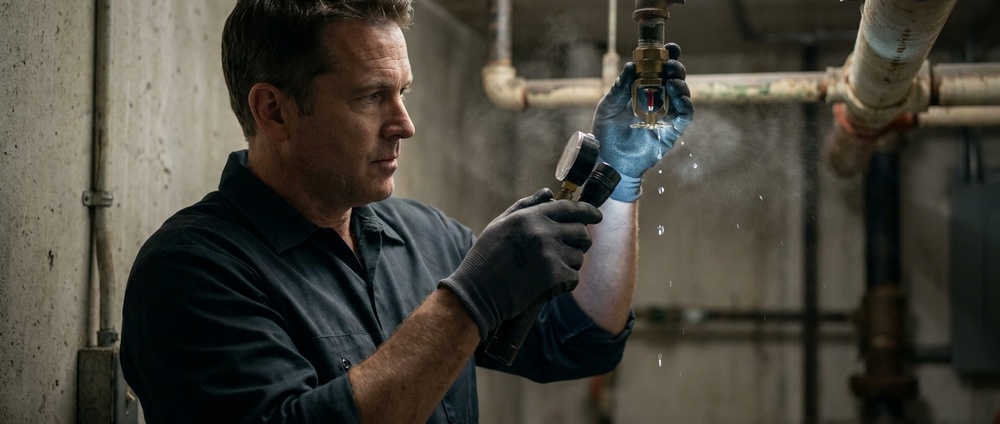
How to Spot Overlooked Fire Sprinkler Issues in Older Buildings
- Action Fire Protection
Categories: fire protection tips , Older Building Fire Safety , Southern California Compliance , fire sprinkler inspections
Why Fire Sprinkler Inspections Matter in Older Buildings
If you own or manage an older property in Southern California, you already understand that maintaining fire safety is a non-negotiable part of your responsibility. However, the unique challenges posed by aging infrastructure often mean that fire sprinkler issues can go unnoticed until they become serious threats. Regular fire sprinkler inspections are not just a compliance requirement—they are your first line of defense against hidden hazards that could jeopardize both lives and investments.
Older buildings, whether commercial, multi-family residential, or industrial, often feature legacy fire protection systems that were installed decades ago. These systems may not meet current standards for Southern California compliance, and their components are more susceptible to wear, corrosion, and accidental damage. As you navigate the complexities of property management, understanding the subtle warning signs of fire sprinkler problems can help you avoid costly repairs, regulatory penalties, and, most importantly, catastrophic fire events.
The Hidden Risks Lurking in Aging Fire Sprinkler Systems
Fire sprinkler systems are designed for reliability, but in older buildings, time becomes their greatest adversary. Small issues can escalate quickly, especially if routine inspections are skipped or superficial. Here are some of the most commonly overlooked problems that can compromise older building fire safety:
- Corrosion and Internal Blockages: Over years, mineral deposits, rust, and microbial growth can accumulate inside pipes, reducing water flow or blocking sprinkler heads entirely.
- Obsolete Components: Many older systems contain parts that are no longer manufactured. If a component fails, finding replacements can delay repairs and leave your building vulnerable.
- Improper Modifications: Past renovations or tenant improvements may have altered fire sprinkler layouts without updating plans or conducting new inspections, leading to coverage gaps.
- Leaking or Damaged Pipes: Even small leaks can signal major underlying issues, such as weakened joints or deteriorating seals, which can go unnoticed in hidden or hard-to-access areas.
- Painted or Obstructed Sprinkler Heads: Over time, maintenance staff or contractors may inadvertently paint over or block sprinkler heads, preventing them from activating properly during a fire.
Recognizing these risks requires a proactive approach and a keen eye for detail during every fire sprinkler inspection.
Key Signs Your Fire Sprinkler System Needs Attention
While some fire sprinkler issues are obvious, others can be subtle and easy to miss. During your routine walkthroughs or scheduled inspections, watch for these telltale signs that your system may be compromised:
- Visible Corrosion or Rust: Discoloration, flaking, or rust stains on pipes and sprinkler heads are early indicators of internal corrosion. These signs suggest that water flow may already be restricted.
- Water Stains or Damp Spots: Water marks on ceilings, walls, or floors near sprinkler pipes can indicate slow leaks. Left unchecked, these leaks can weaken structural elements and promote mold growth.
- Unusual Odors: A musty or metallic smell around sprinkler risers or control valves may signal stagnant water, microbial contamination, or slow leaks within the system.
- Irregular Sprinkler Head Placement: In older buildings, renovations may have left some areas with insufficient sprinkler coverage. Compare current layouts with original plans to ensure comprehensive protection.
- Paint or Debris on Sprinkler Heads: Sprinkler heads must remain unobstructed and free of paint or dust. Any foreign material can delay or prevent activation during a fire emergency.
Documenting these observations and reporting them to your fire protection partner is essential for maintaining Southern California compliance and ensuring your property’s safety.
Understanding Southern California Compliance for Older Buildings
Southern California’s fire codes, including Title 19 and NFPA 25, are designed to address the unique risks associated with both modern and historic structures. For older properties, compliance is not just about passing inspections—it’s about adapting legacy systems to meet current standards. This often requires a nuanced understanding of code requirements and how they apply to your building’s age, occupancy type, and historical modifications.
Key compliance considerations for older buildings include:
- System Retrofit Requirements: Some jurisdictions require older sprinkler systems to be upgraded or retrofitted with new technology, especially after significant renovations or changes in building use.
- Documentation and Recordkeeping: Having up-to-date inspection reports, maintenance logs, and as-built plans is crucial. Missing or outdated records can delay approvals and lead to compliance violations.
- Frequency of Inspections: Local ordinances may dictate more frequent fire sprinkler inspections for aging buildings due to their higher risk profile.
- Testing for Obsolete Equipment: Inspectors may require proof that existing components, such as control valves and alarm devices, still function as intended, even if they are grandfathered under older codes.
Staying ahead of these requirements helps you avoid costly fines and ensures your building remains a safe environment for occupants and visitors alike.
Common Areas Where Fire Sprinkler Issues Are Overlooked
Older buildings often feature complex layouts, hidden utility spaces, and architectural quirks that can make thorough inspections challenging. Certain areas are especially prone to overlooked fire sprinkler issues:
- Basements and Mechanical Rooms: These spaces are often out of sight and may contain original piping that has not been updated or inspected in years.
- Drop Ceilings and Attics: Concealed spaces above ceilings or in attics can harbor leaks, corrosion, or disconnected pipes that go undetected during standard walkthroughs.
- Storage Areas: Overcrowded storage rooms may block access to sprinkler heads or valves, impeding both inspections and emergency response efforts.
- Tenant Build-Outs: Spaces that have been subdivided or remodeled for new tenants may have altered fire sprinkler coverage, leaving some areas under-protected.
- Exterior Wall Systems: Older buildings with exterior-mounted piping or exposed sprinkler heads are especially vulnerable to weather-related damage, vandalism, or corrosion.
Prioritizing these high-risk zones during fire sprinkler inspections can uncover hidden problems before they escalate into major safety concerns.
Why Professional Fire Sprinkler Inspections Are Essential
While visual checks and routine maintenance are important, professional fire sprinkler inspections go beyond what the untrained eye can see. Certified inspectors use specialized tools and follow established protocols to test water flow, check alarm functionality, and verify that all components meet current Southern California compliance standards. Their expertise is especially valuable in older buildings, where legacy systems may require creative solutions and a deep understanding of historical codes.
- Hydrostatic Testing: Ensures pipes can withstand pressure and are free from leaks or weak spots.
- Obstruction Investigation: Identifies blockages caused by rust, scale, or biological growth inside pipes.
- Functional Testing: Confirms that valves, alarms, and sprinkler heads operate as designed under simulated fire conditions.
- Code Compliance Review: Verifies that your system meets all local and national fire safety regulations, reducing the risk of citations or insurance complications.
Partnering with a knowledgeable fire protection provider gives you peace of mind and ensures that your building’s fire safety systems are ready to perform when needed.
Proactive Maintenance Strategies for Older Building Fire Safety
To ensure ongoing safety and Southern California compliance, adopting a proactive maintenance mindset is essential. Older buildings require more than just periodic checks; they need a structured approach that anticipates issues before they arise. Start by establishing a detailed inspection schedule that exceeds the minimum legal requirements. This not only helps you catch early signs of deterioration but also demonstrates a commitment to safety that regulators and insurers appreciate.
Implement a digital record-keeping system to track all fire sprinkler inspections, repairs, and component replacements. Digital logs make it easier to identify recurring issues and provide a clear maintenance history during regulatory audits. Regularly review manufacturer recommendations for your fire sprinkler components, as older systems may require more frequent testing or specialized cleaning procedures. When in doubt, consult with a fire protection expert who understands the intricacies of older building fire safety and the evolving standards in Southern California.
Addressing Common Fire Sprinkler System Upgrades in Aging Properties
Upgrading fire sprinkler systems in older buildings often involves navigating a maze of legacy materials, outdated technology, and code changes. Begin with a comprehensive assessment to determine which components are still serviceable and which need immediate replacement. Focus on these common upgrades:
- Replacing Obsolete Sprinkler Heads: Swap out outdated heads with modern, code-compliant models that offer improved sensitivity and reliability.
- Modernizing Control Valves and Alarm Devices: Outdated valves and alarms may not function optimally. Upgrading these components ensures prompt system activation during an emergency.
- Installing Backflow Preventers: Many older buildings lack backflow prevention, which is now required for Southern California compliance. This upgrade protects both your property and the municipal water supply.
- Enhancing System Zoning: Older systems may lack adequate zoning, making it difficult to isolate leaks or perform targeted repairs. Adding new zones improves system manageability and limits water damage during incidents.
- Integrating Monitoring Technology: Remote monitoring solutions provide real-time alerts for leaks, pressure drops, or unauthorized tampering, allowing you to respond quickly and minimize risks.
Budgeting for these upgrades can seem daunting, but they are often more cost-effective than facing emergency repairs or regulatory fines. Many property owners find that phased improvements, prioritized by risk and compliance urgency, offer a manageable path forward.
Training Staff and Tenants on Fire Sprinkler Awareness
Even the most advanced fire sprinkler system is only as effective as the people who interact with it daily. Educating your maintenance staff, tenants, and building occupants about proper fire safety practices is a critical element of older building fire safety. Conduct regular training sessions that cover:
- Recognizing Warning Signs: Teach staff to identify early indicators of leaks, corrosion, or tampering and to report them immediately.
- Proper Storage Practices: Remind tenants and employees not to block sprinkler heads or stack materials too close to ceiling-mounted devices.
- Emergency Procedures: Ensure everyone knows how to respond if the system activates, including evacuation routes and who to contact for immediate assistance.
- Reporting Protocols: Establish a clear process for reporting suspected issues, including whom to notify and how to document observations.
Visible signage and periodic reminders help reinforce these best practices, creating a culture of vigilance that supports your fire protection efforts and compliance obligations.
Integrating Fire Sprinkler Inspections with Broader Safety Programs
Fire protection should never exist in isolation. Integrate fire sprinkler inspections into your broader safety and facility management programs for a more holistic approach. Schedule inspections to coincide with other routine building checks, such as electrical, HVAC, and structural assessments. This strategy minimizes downtime and ensures that all safety systems are evaluated together, reducing the risk of oversight.
Leverage your fire protection provider’s expertise to coordinate with other contractors and inspectors. For example, if a roofing project is planned, ensure that sprinkler piping in attics or ceiling spaces is inspected both before and after the work. This cross-disciplinary approach helps you maintain uninterrupted Southern California compliance and reduces the likelihood of accidental damage during unrelated projects.
Leveraging Local Expertise for Southern California Compliance
Each region in Southern California has its own set of fire safety regulations, inspection protocols, and permitting requirements. Partnering with a local fire protection provider who understands these nuances is invaluable for older building fire safety. Local experts are familiar with the specific challenges posed by the area’s climate, seismic activity, and building codes. They can help you navigate complex compliance landscapes, secure necessary permits, and prepare for both scheduled and surprise inspections by authorities.
Local providers often maintain strong relationships with municipal fire departments and code enforcement officials. This network can expedite approvals, facilitate inspections, and provide early warnings about upcoming regulatory changes that may affect your property. By leveraging this expertise, you ensure that your fire sprinkler system is not only functional but also fully aligned with the latest standards.
Documenting Fire Sprinkler System Changes and Inspections
Accurate documentation is a cornerstone of effective fire sprinkler inspections and ongoing compliance. Every modification, repair, or upgrade to your system should be thoroughly documented, including:
- Date and Nature of Work: Clearly record when work was performed and what was completed, from minor repairs to major component replacements.
- Contractor Information: Maintain records of the companies and technicians who performed the work, including license numbers and contact details.
- Inspection and Test Results: Archive all inspection reports, pressure test results, and compliance certificates in an organized, easily accessible format.
- Correspondence with Authorities: Keep copies of all communications with fire departments, code officials, and insurance providers regarding your fire sprinkler system.
Well-maintained records not only support Southern California compliance but also streamline the process of selling, refinancing, or insuring your property. They provide a clear history of diligent maintenance and proactive safety management, which can be a significant asset during audits or claims.
Addressing Unique Challenges in Historic and Architecturally Significant Properties
Preserving the character of historic or architecturally significant buildings while achieving modern fire safety standards requires a delicate balance. In these properties, fire sprinkler inspections must be conducted with special care to avoid damaging original materials or altering the building’s appearance. Solutions may include:
- Concealed Sprinkler Heads: Specially designed heads that blend with ornamental ceilings or walls to preserve aesthetics while ensuring coverage.
- Custom Piping Routes: Strategically routed pipes that minimize visual impact and avoid historic features.
- Non-Invasive Testing Methods: Advanced diagnostic tools that assess pipe integrity and flow without invasive procedures.
- Collaboration with Preservation Experts: Work closely with preservation architects and local heritage authorities to ensure all upgrades meet both safety and conservation standards.
With careful planning and the right expertise, you can maintain older building fire safety without compromising the unique value of your property.
Staying Ahead of Regulatory Changes and Industry Best Practices
Fire safety regulations and best practices are continually evolving in response to new research, technology, and incident data. For property owners and managers, staying informed about these changes is a vital component of Southern California compliance. Subscribe to updates from local fire authorities, industry associations, and fire protection providers to receive timely information about new requirements or recommended practices.
Participate in industry seminars, webinars, and training events to deepen your understanding of emerging risks and innovative solutions for older building fire safety. Encourage your team to pursue ongoing education and certification in fire protection, ensuring that your organization remains at the forefront of safety and compliance.
Evaluating the Cost-Benefit of Preventive Fire Sprinkler Maintenance
Investing in regular fire sprinkler inspections and preventive maintenance may seem like an added expense, but the long-term benefits far outweigh the costs. Proactive care reduces the likelihood of system failures, emergency repairs, and water damage, all of which can lead to significant financial losses and operational disruptions. Insurance providers often offer better rates and terms to properties with documented fire safety programs, providing an additional incentive for diligent maintenance.
When budgeting for fire protection, consider the potential costs of non-compliance, including fines, legal liabilities, and loss of occupancy permits. Preventive maintenance is not just a regulatory obligation—it is a strategic investment in your property’s value, reputation, and operational continuity.
Collaborating with Fire Protection Professionals for Long-Term Success
Establishing a long-term relationship with a trusted fire protection provider is one of the most effective ways to ensure ongoing Southern California compliance and the safety of your building’s occupants. Look for providers with proven experience in older building fire safety and a deep understanding of local codes and industry standards. A collaborative approach allows you to develop customized inspection and maintenance plans, address unique challenges, and respond quickly to emerging risks.
Regular communication with your fire protection partner ensures that you are always aware of your system’s condition and any upcoming requirements. This partnership frees you to focus on other aspects of property management, confident that your fire sprinkler system is in expert hands.
How Regular Fire Sprinkler Inspections Prevent Regulatory Penalties
Staying ahead of regulatory expectations is a constant challenge, especially as local fire codes and national standards evolve. Regular fire sprinkler inspections are your safeguard against costly citations and business interruptions. Inspectors in Southern California are particularly vigilant about ensuring that older buildings meet current fire safety standards. When you prioritize scheduled inspections and address deficiencies promptly, you minimize the risk of failed audits and avoidable fines.
Inspection reports serve as your documented proof of compliance. During an unexpected fire marshal visit or insurance audit, having up-to-date records demonstrates your proactive approach to older building fire safety. This transparency not only protects your reputation but also reassures tenants, employees, and stakeholders that safety is never compromised.
- Scheduled inspections keep your building aligned with Southern California compliance requirements.
- Timely repairs based on inspection findings prevent minor issues from escalating into major violations.
- Clear documentation streamlines communication with regulatory authorities and insurance providers.
Modernizing Fire Sprinkler Systems Without Disrupting Occupants
Upgrading fire sprinkler systems in occupied buildings requires careful coordination to minimize disruption. Experienced fire protection professionals understand the importance of maintaining daily operations and tenant satisfaction. Phased upgrade strategies allow you to modernize essential components in stages, often scheduling work during off-peak hours or coordinating with tenant move-outs.
Technological advancements mean that many upgrades—such as replacing sprinkler heads, valves, or alarm devices—can be completed quickly and with minimal intrusion. Remote monitoring technology further reduces the need for on-site visits, providing real-time system oversight and immediate alerts for any detected issues. By integrating these solutions, you maintain a seamless experience for occupants while enhancing older building fire safety and meeting Southern California compliance.
- Phased upgrades limit tenant inconvenience and business downtime.
- Remote monitoring supports ongoing safety with less on-site disruption.
- Clear communication with occupants fosters trust and cooperation during system improvements.
Addressing Fire Sprinkler Issues in Mixed-Use and Multi-Tenant Properties
Mixed-use and multi-tenant buildings present unique fire safety challenges. Each occupancy type—whether retail, residential, or office—may have different fire risk profiles and regulatory requirements. Comprehensive fire sprinkler inspections ensure that all areas, from shared corridors to private suites, maintain consistent protection standards.
Older mixed-use properties often have a patchwork of legacy systems, some of which may have been altered or partially upgraded over time. It’s essential to map the entire fire sprinkler network, identifying any areas where coverage is insufficient or outdated. Coordinating inspections and upgrades across all tenants not only strengthens older building fire safety but also streamlines compliance documentation for the entire property.
- Unified inspection schedules simplify compliance for property managers.
- Collaborative planning with tenants ensures every space receives adequate protection.
- Consistent upgrades reduce liability and enhance property value.
Mitigating Environmental Factors Affecting Older Fire Sprinkler Systems
Southern California’s climate introduces additional considerations for maintaining fire sprinkler systems in older buildings. High humidity, seasonal temperature fluctuations, and even seismic activity can accelerate wear and compromise system integrity. Regular fire sprinkler inspections help you detect environmental stressors early, allowing for targeted interventions before damage becomes widespread.
In coastal areas, salt air can corrode exposed sprinkler pipes and fittings more rapidly. Inland, dust and debris may accumulate in attic or mechanical spaces, increasing the risk of obstructions. Earthquakes can cause subtle misalignments or hidden leaks in piping networks, especially in aging structures. By factoring these regional risks into your maintenance plan, you safeguard your property and ensure ongoing Southern California compliance.
- Climate-aware maintenance addresses corrosion, leaks, and blockages unique to the region.
- Seismic checks confirm system stability after tremors or structural shifts.
- Proactive cleaning and component replacement extend system lifespan.
Enhancing Fire Sprinkler System Reliability Through Advanced Testing
Routine visual inspections are only one part of a comprehensive fire safety program. Advanced testing methods, such as ultrasonic pipe inspections and flow testing, reveal hidden weaknesses that traditional checks might miss. These tests are especially valuable in older buildings, where unseen corrosion or obstructions can compromise system performance.
Flow testing verifies that sprinkler heads deliver adequate water pressure and coverage, while ultrasonic tools assess pipe wall thickness without invasive procedures. These data-driven approaches allow you to prioritize repairs and replacements, ensuring that your system remains reliable and compliant. Investing in advanced testing supports both older building fire safety and your commitment to Southern California compliance.
- Ultrasonic inspections detect internal pipe corrosion before leaks occur.
- Flow testing confirms system readiness for real-world fire scenarios.
- Data-driven maintenance reduces guesswork and supports informed decision-making.
Responding Rapidly to Fire Sprinkler Emergencies
Despite diligent maintenance, emergencies can still arise. A broken pipe, accidental activation, or system malfunction requires immediate attention to minimize property damage and restore safety. Establishing a relationship with a responsive fire protection service provider ensures that you have expert support whenever unexpected issues occur.
Quick response times are critical for older buildings, where water damage from sprinkler malfunctions can escalate quickly. Choose a provider that offers emergency repair services and can mobilize skilled technicians across Southern California at a moment’s notice. This readiness not only protects your property but also demonstrates your ongoing commitment to fire sprinkler inspections and older building fire safety.
- Emergency support minimizes downtime and disruption after a system incident.
- Expert repairs restore protection and compliance swiftly.
- Clear communication ensures all stakeholders are informed during emergencies.
Building a Culture of Fire Safety Awareness
Fire protection is most effective when everyone in your building understands their role in maintaining safety. Ongoing education for staff, tenants, and maintenance teams reinforces the importance of reporting leaks, avoiding sprinkler obstructions, and participating in regular fire drills. Visible signage, accessible reporting channels, and routine reminders keep fire safety top of mind for all occupants.
Encourage open communication and reward proactive behavior, such as early reporting of issues or participation in training sessions. This collaborative approach not only supports Southern California compliance but also creates a safer, more resilient property for everyone involved.
- Regular training sessions build fire safety expertise among staff and tenants.
- Clear signage and reporting tools streamline issue identification and resolution.
- Engagement fosters a shared commitment to older building fire safety.
Partnering with Fire Protection Experts for Comprehensive Service
Managing fire sprinkler systems in older buildings requires specialized knowledge and a proactive mindset. Partnering with a reputable fire protection company ensures that your inspections, maintenance, and upgrades are handled by professionals who understand the complexities of historic properties and regional regulations. Look for a provider with extensive experience, rapid response capabilities, and a strong track record of supporting properties throughout Southern California.
Comprehensive service includes everything from initial assessments and system design to ongoing fire sprinkler inspections, emergency repairs, and compliance support. By entrusting your fire protection needs to experts, you gain peace of mind and free up resources to focus on other aspects of property management.
- Expert guidance ensures compliance with evolving fire safety codes.
- Ongoing support addresses issues before they impact building operations.
- Customized maintenance plans extend the lifespan of your fire sprinkler system.
Supporting Your Commitment to Fire Safety in Southern California
When you choose a fire protection partner with deep roots in Southern California, you benefit from local expertise, rapid response times, and a thorough understanding of both legacy systems and modern code requirements. By investing in regular fire sprinkler inspections and ongoing maintenance, you protect your property, occupants, and business reputation from the risks associated with overlooked fire sprinkler issues in older buildings.
If you’re seeking reliable guidance, transparent communication, and comprehensive solutions for older building fire safety, you can connect with a trusted provider who prioritizes your needs. For expert support, detailed inspections, or to discuss a customized fire protection plan, reach out via office@actionfp.com and ensure your building remains safe, compliant, and ready for the future.