
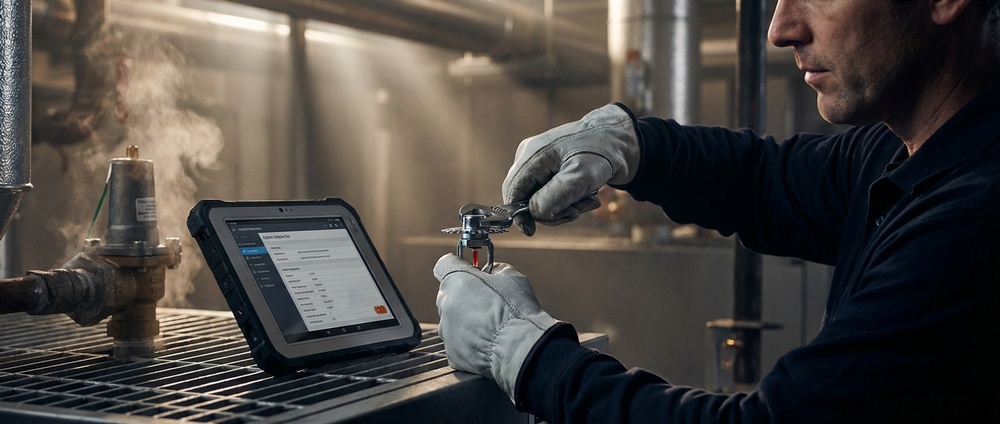
How to Recognize Early Signs of Fire Sprinkler System Wear
- Action Fire Protection
Categories: fire protection , property owner tips , Southern California , fire safety , fire sprinkler system inspection
Why Early Detection of Fire Sprinkler System Wear Matters for Southern California Properties
When it comes to ensuring the safety and compliance of your commercial or residential property in Southern California, your fire sprinkler system is a critical line of defense. With local fire codes, NFPA 13, and NFPA 25 standards setting high expectations, staying vigilant about the health of your fire protection system is essential. Recognizing the early signs of fire sprinkler wear can help you avoid unexpected failures, costly repairs, and potential regulatory penalties. By prioritizing regular fire sprinkler system inspection, you can protect your investment, maintain compliance, and provide peace of mind for everyone who enters your building.
Southern California’s unique climate, with its dry conditions and seasonal temperature fluctuations, places additional stress on fire sprinkler systems. As a property or business owner, you understand that even minor issues can quickly escalate if left unaddressed. Understanding what to look for during routine checks and knowing when to call professionals for a comprehensive inspection can make all the difference in your ongoing Southern California fire safety efforts.
Understanding the Importance of Fire Sprinkler System Inspection
The foundation of any robust fire safety plan is a proactive approach to maintenance and inspection. Regular fire sprinkler system inspection is more than a regulatory requirement—it’s a strategic investment in the long-term safety and value of your property. Inspections help you identify subtle changes in system performance, catch developing problems before they become emergencies, and ensure your system remains compliant with both California and national fire safety regulations.
Fire codes in Southern California mandate periodic inspections, but it’s wise to go beyond the minimum standards. By learning to recognize the early signs of fire sprinkler wear, you can schedule repairs or upgrades at the most convenient and cost-effective times, rather than dealing with disruptive system failures or emergency shutdowns. Proactive attention to your fire sprinkler system also demonstrates your commitment to occupant safety, which can enhance your reputation and reduce liability risks.
The Most Common Early Signs of Fire Sprinkler Wear
Spotting the initial indicators of system wear requires a keen eye and a basic understanding of how your fire sprinkler system operates. While a professional inspection is always recommended, you can perform visual checks between official service appointments to catch problems early. Here are the most common warning signs to watch for:
- Corrosion or Rust: Discoloration, pitting, or flaking on pipes and sprinkler heads often signals the presence of moisture or chemical reactions that can weaken the system.
- Leaks or Drips: Even small amounts of water around fittings, valves, or sprinkler heads can indicate failing seals or internal corrosion.
- Physical Damage: Bent, broken, or misaligned sprinkler heads may not activate properly during a fire, compromising coverage.
- Obstructions: Paint, dust, or debris on or around sprinkler heads can delay or block water discharge during an emergency.
- Unusual Noises: Hissing, banging, or rattling sounds when the system is pressurized may point to trapped air, water hammer, or loose components.
- Visible Mineral Deposits: White or greenish buildup around joints and heads is often a sign of hard water, which can clog the system over time.
By staying alert to these early warning signals, you can address minor issues before they escalate into system-wide failures or trigger non-compliance citations during official fire sprinkler system inspections.
How Environmental Factors in Southern California Accelerate Fire Sprinkler Wear
Southern California’s climate and environmental conditions present unique challenges for fire sprinkler system longevity. The region’s dry air, combined with periodic humidity spikes and temperature swings, can accelerate the deterioration of both metal and plastic system components. Properties located near the coast may also face increased exposure to salt-laden air, which is notorious for speeding up corrosion and rust formation on exposed metal surfaces.
Additionally, seismic activity is a reality in many parts of Southern California. Even minor earthquakes can loosen fittings, crack pipes, or misalign sprinkler heads. If your property has experienced recent seismic events, it’s especially important to schedule a thorough fire sprinkler system inspection and visually check for any signs of physical damage or misalignment.
Urban environments bring their own set of risks. Construction dust, pollutants, and airborne debris can settle on sprinkler heads, potentially obstructing water flow when the system is activated. Regular cleaning and inspection are vital to ensure your system remains ready to respond in an emergency.
Key Areas to Focus on During Routine Visual Checks
While professional inspections are essential for compliance, you can take an active role in your property’s fire safety by conducting regular walk-throughs. Focus on these critical areas to spot early signs of fire sprinkler wear:
- Sprinkler Heads: Ensure each head is free from paint, dust, or physical obstructions. Look for any signs of corrosion, leaks, or damage.
- Piping and Fittings: Scan for visible rust, mineral buildup, or water stains along pipes and at connection points. Check that all fittings are secure and properly aligned.
- Control Valves: Confirm that valves are accessible, clearly labeled, and show no signs of leakage or corrosion. Test that they can be operated smoothly if required.
- Alarm and Monitoring Devices: Verify that alarm panels and monitoring systems are functioning correctly, with no warning lights or error messages displayed.
- Water Supply Connections: Inspect the main water supply and backflow prevention devices for leaks, rust, or unusual noises that could signal internal wear.
Document any irregularities you observe and share them with your fire protection service provider during scheduled maintenance visits. Prompt reporting allows for targeted repairs and helps maintain compliance with Southern California fire safety regulations.
Understanding the Impact of Deferred Maintenance on Fire Safety Compliance
Neglecting routine maintenance or delaying repairs can have serious consequences for both safety and regulatory compliance. Southern California’s strict fire codes require property owners and managers to demonstrate that their fire sprinkler systems are in good working order. Deferred maintenance not only increases the risk of system failure during a fire but can also result in fines, insurance complications, and potential business interruptions.
Insurance providers often require documentation of regular fire sprinkler system inspection and prompt attention to any identified deficiencies. Failing to address early signs of fire sprinkler wear may jeopardize your coverage or lead to higher premiums. More importantly, a compromised system could put lives and property at risk in the event of an emergency.
By staying proactive and responsive, you help ensure your property remains aligned with Southern California fire safety standards, reducing liability and supporting uninterrupted operations.
When to Schedule a Professional Fire Sprinkler System Inspection
While visual checks are valuable, only a licensed fire protection expert can provide the comprehensive testing and documentation required for compliance. You should schedule a professional fire sprinkler system inspection at least annually, or more frequently if your building is subject to specific local ordinances or has experienced recent renovations, seismic activity, or changes in occupancy.
Consider scheduling an inspection if you notice any of the following:
- Unexplained drops in water pressure or system performance
- Visible rust, corrosion, or mineral buildup on pipes or heads
- Recurring false alarms or system malfunctions
- Recent construction or renovations near sprinkler components
- Reports of leaks, drips, or pooling water near system elements
Professional inspectors use specialized tools and techniques to test system flow rates, check for hidden leaks, verify alarm functionality, and assess overall system integrity. Their findings provide the documentation you need to satisfy regulatory requirements and insurance policies, while supporting your ongoing Southern California fire safety program.
What Professional Fire Sprinkler System Inspection Involves
Choosing to schedule a professional fire sprinkler system inspection means you benefit from the expertise of certified technicians who understand the intricacies of Southern California fire safety regulations. During an inspection, specialists assess every component of your system, ensuring it meets NFPA standards and local codes. This process is comprehensive, covering much more than a visual check.
- Functional Testing: Inspectors activate alarm and monitoring devices, simulate emergency scenarios, and verify water flow and pressure throughout the system.
- Component Assessment: Each sprinkler head, valve, and control device is examined for corrosion, leaks, obstructions, and proper alignment.
- Piping and Fittings Evaluation: Technicians look for signs of internal corrosion, sediment buildup, and mechanical wear that can compromise performance.
- Documentation Review: Service records, inspection tags, and compliance certificates are checked to confirm your property’s ongoing adherence to fire safety requirements.
- Code Compliance Verification: The inspection confirms that your system is up to date with the latest Southern California fire safety mandates, including any recent changes in occupancy or building use.
After the inspection, you receive a detailed report outlining any deficiencies, recommendations for remediation, and confirmation of compliance. This documentation is essential for regulatory purposes and insurance audits, providing you with confidence that your fire sprinkler system is performing as intended.
Why Early Signs of Fire Sprinkler Wear Should Never Be Ignored
Overlooking the early signs of fire sprinkler wear can have far-reaching consequences for your property and the people who rely on its safety systems. Even minor leaks or corrosion can escalate rapidly, leading to system malfunctions or complete failure during a fire emergency. In Southern California, where fire risk is elevated due to environmental factors, an unreliable sprinkler system can put valuable assets and lives at risk.
Ignoring visible wear may also jeopardize your compliance status. Fire marshals and insurance adjusters look for evidence of proactive maintenance. If your property is found lacking, you could face penalties, increased premiums, or even business interruptions. Proactive attention to system wear not only safeguards your investment but also reinforces your commitment to maintaining a safe environment for occupants, employees, and visitors.
Common Causes of Premature Fire Sprinkler System Wear
Understanding what contributes to premature wear helps you address vulnerabilities before they impact your fire protection system. In Southern California, several factors can accelerate the aging process of sprinkler components:
- Hard Water: High mineral content in water supplies can lead to scale buildup inside pipes and around sprinkler heads, reducing flow and increasing the risk of blockages.
- Corrosive Environments: Coastal properties are exposed to salt air, which accelerates rust and corrosion of metal components. Industrial settings may also introduce chemicals that degrade system materials.
- Temperature Fluctuations: Extreme heat, coupled with occasional cold snaps, can stress seals, gaskets, and pipes, leading to cracks and leaks.
- Physical Impact: Accidental bumps from equipment, renovations, or even routine cleaning can misalign or damage sprinkler heads and piping.
- Poor Maintenance Practices: Skipping scheduled inspections or delaying repairs allows minor issues to develop into major failures.
By addressing these common causes, you can extend the life of your fire sprinkler system and avoid unnecessary repair costs or compliance issues.
Best Practices for Preventing Fire Sprinkler System Wear
Taking a proactive approach to maintenance is the most effective way to prevent premature wear and ensure compliance with Southern California fire safety standards. Incorporate these best practices into your facility management routine:
- Schedule Regular Inspections: Adhere to a consistent inspection schedule based on your property’s risk profile and occupancy type. Annual professional inspections are a minimum requirement, but high-risk environments may benefit from more frequent checks.
- Conduct Routine Visual Walk-Throughs: Assign staff to perform monthly visual checks, focusing on sprinkler heads, piping, and control valves for signs of leaks, corrosion, or physical damage.
- Keep Sprinkler Heads Clear: Ensure that no objects, decorations, or dust obstruct the spray pattern or access to sprinkler heads. Avoid painting or covering heads during renovations.
- Monitor Water Quality: If your property is in an area with hard water, consider water treatment solutions to reduce mineral buildup and extend component life.
- Document All Maintenance: Maintain thorough records of inspections, repairs, and system modifications. This documentation supports compliance and simplifies future inspections.
Implementing these strategies not only reduces the risk of unexpected system failures but also demonstrates your commitment to regulatory compliance and occupant safety.
Recognizing When Repairs or Upgrades Are Necessary
Even with diligent maintenance, there will come a time when repairs or upgrades are necessary to keep your fire sprinkler system performing optimally. Recognizing the right moment to act can save you from costly emergency interventions and potential regulatory setbacks.
- Frequent Leaks or Drips: Persistent moisture around fittings or heads often signals deteriorated seals or internal corrosion that require immediate attention.
- Recurring False Alarms: If your system is triggering alarms without cause, it may indicate sensor malfunctions or control panel issues that need professional diagnosis and repair.
- Outdated Components: Older systems may lack features required by current fire codes. Upgrading to modern, code-compliant parts ensures continued protection and compliance.
- Visible Corrosion or Mineral Buildup: Any sign of rust, pitting, or mineral deposits on pipes and heads suggests the need for cleaning, repair, or replacement.
- Changes in Building Layout or Occupancy: Renovations, expansions, or changes in building use may require system modifications or upgrades to maintain adequate coverage and compliance.
Addressing these indicators promptly minimizes downtime, maintains your compliance status, and ensures your system is always ready to respond in an emergency.
The Role of Fire Sprinkler System Inspection in Insurance and Liability Protection
Insurers and regulatory bodies in Southern California place significant emphasis on the condition and maintenance of fire sprinkler systems. A well-maintained system, supported by regular fire sprinkler system inspection, not only helps you meet legal obligations but also strengthens your position in the event of a claim.
When you can provide clear documentation of inspections, repairs, and upgrades, you demonstrate due diligence in risk management. This can result in more favorable insurance terms, quicker claims processing, and reduced exposure to liability in the aftermath of a fire incident. Conversely, gaps in maintenance records or evidence of ignored early signs of fire sprinkler wear can complicate claims and lead to unfavorable outcomes.
Routine inspections and maintenance are more than just a regulatory checkbox—they are a critical part of your property’s risk management strategy.
How to Choose a Qualified Fire Sprinkler Inspection Provider in Southern California
Selecting the right partner for your fire sprinkler system inspection is crucial for ensuring thorough, code-compliant service. Look for providers with a proven track record in Southern California fire safety and extensive experience with properties similar to yours.
- Licensing and Certification: Verify that the company and its technicians are fully licensed and certified to perform fire sprinkler inspections and repairs in your jurisdiction.
- Local Expertise: Choose a provider familiar with the specific fire codes and environmental challenges faced by Southern California properties.
- Comprehensive Service Offerings: Opt for companies that provide a full spectrum of fire protection services, including inspection, maintenance, repairs, and system upgrades.
- Clear Communication: Ensure your provider offers detailed inspection reports, timely updates, and transparent pricing for all recommended services.
- Positive Reviews and References: Research feedback from other property owners and ask for references to confirm the provider’s reliability and professionalism.
Working with a reputable inspection partner gives you peace of mind that your fire sprinkler system is in expert hands, supporting your ongoing compliance and safety goals.
Integrating Fire Sprinkler System Care Into Your Overall Safety Program
A robust fire protection strategy in Southern California goes beyond periodic inspections. Integrate fire sprinkler system care into your broader safety and maintenance program for best results. Coordinate with building management, security, and maintenance teams to ensure everyone understands the importance of early detection and prompt reporting of system wear.
- Training and Awareness: Educate staff and occupants on the location of sprinkler heads, the importance of keeping them unobstructed, and how to identify warning signs of wear.
- Emergency Preparedness: Include fire sprinkler system checks as part of regular emergency drills and preparedness activities.
- Vendor Coordination: Maintain strong communication with your inspection and maintenance providers to quickly address any issues identified during walk-throughs or routine checks.
- Continuous Improvement: Regularly review your fire safety protocols and update them based on lessons learned from inspections, incidents, or regulatory changes.
Embedding these practices into your daily operations ensures your fire sprinkler system remains reliable and compliant, ready to protect your property and its occupants at all times.
Integrating Technology for Smarter Fire Sprinkler System Monitoring
Advancements in fire protection technology have made it easier for you to keep your fire sprinkler system in optimal condition. Modern monitoring systems now offer real-time alerts, remote diagnostics, and automated reporting capabilities. By integrating these solutions into your property management routine, you gain instant visibility into system performance and receive early warnings about potential issues—often before they become visible during manual checks.
Digital monitoring is especially valuable for properties in Southern California, where compliance requirements and environmental stressors demand a higher level of vigilance. With these tools, you can track water pressure, flow rates, and system status from your smartphone or computer, ensuring that even minor deviations are addressed promptly. Automated recordkeeping also streamlines compliance documentation, making inspections and insurance audits more efficient.
How Employee Training Enhances Fire Sprinkler System Reliability
Your staff and building occupants play a vital role in maintaining fire safety. Regular training sessions empower your team to recognize the early signs of fire sprinkler wear, report concerns, and avoid accidental damage to system components. Training should include a review of the most common warning signs, instructions on keeping sprinkler heads unobstructed, and clear guidance on how to respond if a leak or other issue is discovered.
By fostering a culture of safety awareness, you reduce the risk of system neglect and ensure that minor problems are reported and resolved quickly. Educated employees are more likely to identify issues during daily activities, providing an extra layer of protection for your property and everyone within it.
Maintaining Compliance with Southern California Fire Safety Regulations
Local fire codes in Southern California are designed to protect lives and property, but they also require diligence and documentation. Staying compliant means more than meeting minimum inspection intervals—it involves proactive engagement with every aspect of your fire protection system. Regular fire sprinkler system inspection, prompt repairs, and detailed recordkeeping are all essential elements for demonstrating compliance to authorities and insurance providers.
Properties that consistently meet or exceed regulatory standards often benefit from smoother inspections, fewer disruptions, and enhanced trust from tenants and stakeholders. Maintaining up-to-date documentation of inspections, repairs, and upgrades ensures that you are always prepared for an audit or review, minimizing the risk of penalties or operational delays.
Addressing Common Questions About Fire Sprinkler System Inspection
Understanding the intricacies of fire sprinkler system inspection can help you make informed decisions about your property’s safety. Here are answers to a few frequently asked questions:
- How often should inspections occur? Annual professional inspections are required, but high-risk environments or recent renovations may necessitate more frequent checks.
- What documentation should you keep? Maintain records of all inspections, repairs, and modifications. This paperwork is critical for demonstrating compliance and supporting insurance claims.
- Who is qualified to inspect fire sprinkler systems? Only certified fire protection professionals with local expertise should perform official inspections and repairs.
- What if a deficiency is found? Address all deficiencies promptly and document any repairs or upgrades to maintain compliance and system reliability.
Proactive Steps for Long-Term Fire Sprinkler System Health
Taking a strategic approach to fire sprinkler system care supports the ongoing safety and value of your property. Consider these proactive steps to ensure your system remains in peak condition:
- Establish a recurring maintenance calendar that includes both professional inspections and in-house visual checks.
- Partner with a fire protection service provider that offers 24/7 emergency support and rapid response times for urgent repairs.
- Invest in water treatment solutions if your facility is affected by hard water or mineral buildup.
- Regularly review and update your emergency preparedness plans to reflect changes in building layout, occupancy, or fire safety technology.
- Encourage open communication among your team to report any suspected issues immediately.
These measures not only help prevent system failures but also reinforce your commitment to the highest standards of Southern California fire safety.
Partnering with Experts for Comprehensive Fire Sprinkler System Inspection
Working with a trusted fire protection provider ensures that your system receives the attention it deserves. Experienced professionals offer in-depth inspections, precise diagnostics, and expert solutions for any issues that arise. Their local knowledge equips them to navigate the specific challenges and regulations of Southern California properties, from coastal corrosion risks to seismic considerations.
A reliable partner will guide you through the inspection process, provide actionable recommendations, and support you in maintaining compliance with all relevant fire safety standards. This collaborative approach gives you confidence that your fire sprinkler system is always ready to perform when it matters most.
What Sets a Quality Fire Protection Service Apart
Choosing the right fire protection partner is a critical decision for property owners and managers. Look for a provider that emphasizes transparency, prompt communication, and a deep understanding of local codes. Comprehensive service offerings—including design, installation, inspection, repair, and maintenance—mean you have a single point of contact for all your fire safety needs.
Reputation matters. Seek out companies with strong community ties, positive client testimonials, and a proven record of rapid response. A provider who prioritizes your safety, compliance, and peace of mind will help you navigate the complexities of fire protection with ease.
Ensuring Ongoing Fire Sprinkler System Performance
Consistent attention to your fire sprinkler system pays off in reliability and regulatory confidence. Schedule inspections on time, address repairs promptly, and leverage the latest monitoring technologies to detect issues early. By integrating these practices into your property management routine, you protect your investment and uphold the highest standards of safety for everyone who enters your facility.
If you’re ready to enhance your fire sprinkler system’s performance and compliance, connect with a team that understands the demands of Southern California fire safety. For expert guidance, reliable inspections, and full-spectrum fire protection services, reach out by email at office@actionfp.com. Your commitment to early detection and proactive maintenance is the cornerstone of a safer, more compliant property.