
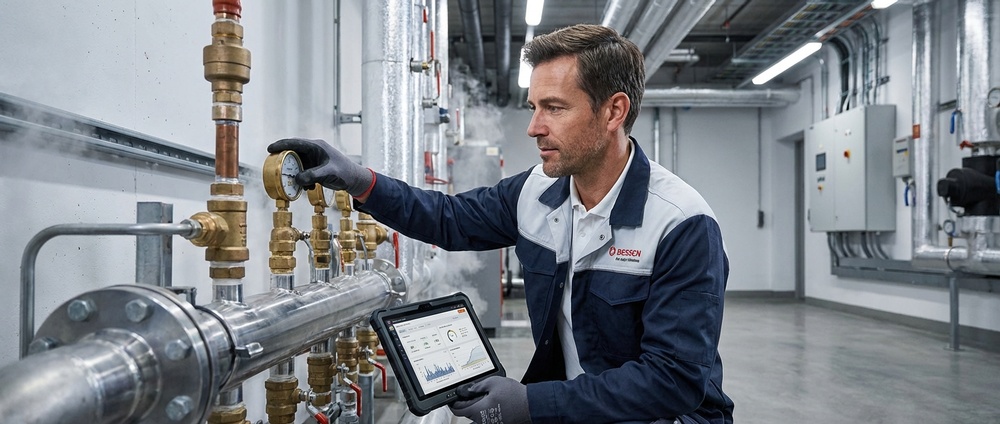
How Smart Inspections Prevent Fire Hazards in Southern California
- Action Fire Protection
Categories: fire hazard prevention , property compliance , Southern California fire safety , fire sprinkler inspections
Why Smart Inspections Are Essential for Fire Hazard Prevention in Southern California
In Southern California, where property values are high and the threat of wildfires and building fires is ever-present, your commitment to fire safety is not just a regulatory requirement—it’s a fundamental responsibility. Whether you manage a commercial facility, own a residential complex, or oversee construction projects, understanding how smart fire sprinkler inspections contribute to fire hazard prevention can make the difference between safeguarding your investment and facing devastating losses. With ever-evolving local fire codes and the unique challenges posed by the region’s climate, proactive measures are essential to ensure comprehensive Southern California fire safety.
The Unique Fire Risks Facing Southern California Properties
Southern California’s combination of dense urban development, arid conditions, and seasonal winds creates a perfect storm for fire hazards. As a property or business owner, you know that even a small lapse in fire protection systems can have significant consequences. From high-rise office buildings in Los Angeles to industrial facilities in Riverside County, the risk landscape is complex and unforgiving. Local regulations demand strict adherence to fire safety standards, and insurance providers are increasingly scrutinizing compliance records before issuing policies or processing claims.
It’s not just about meeting minimum requirements—it's about creating a culture of prevention. Smart, data-driven fire sprinkler inspections are at the heart of this approach, empowering you to address vulnerabilities before they escalate into emergencies.
How Fire Sprinkler Inspections Drive Southern California Fire Safety
Routine fire sprinkler inspections are more than a checkbox on your compliance list. They represent a proactive strategy designed to identify and mitigate risks unique to Southern California properties. By engaging in scheduled, thorough inspections, you ensure that your fire protection systems are always ready to perform when needed most.
- Detection of System Malfunctions: Inspections uncover hidden issues such as corrosion, leaks, blockages, or faulty sprinkler heads that could compromise system performance during a fire event.
- Verification of Code Compliance: Inspectors confirm that your system aligns with NFPA 13 and local fire codes, reducing the risk of fines and legal complications.
- Documentation for Insurance and Liability: Up-to-date inspection records provide proof of due diligence, which can streamline insurance claims and demonstrate your commitment to safety.
- Optimal System Performance: Regular checks ensure the system’s water supply, pressure, and coverage are sufficient for the specific hazards present in your facility.
By prioritizing fire sprinkler inspections, you are not only complying with regulations but also actively investing in the safety and longevity of your property.
Key Components of a Smart Fire Sprinkler Inspection
Modern fire sprinkler inspections leverage advanced technology and industry expertise to deliver more accurate, actionable results. When you schedule an inspection with a reputable fire protection service, you can expect a comprehensive process that addresses every critical aspect of your system:
- Visual Assessment: Inspectors examine sprinkler heads, piping, valves, and control equipment for visible signs of damage, obstruction, or tampering.
- Functional Testing: The team tests alarms, water flow, and control valves to ensure immediate activation in the event of a fire.
- Hydraulic Analysis: Pressure and flow rates are measured to confirm that the system can deliver adequate water to all protected areas.
- Code Review: Inspectors evaluate your system’s compliance with local and national fire safety regulations, including any recent updates or amendments.
- Digital Reporting: Detailed inspection reports are generated, often with photo documentation and recommendations for any required repairs or upgrades.
These steps are designed to provide you with a clear understanding of your system’s current state, empowering you to make informed decisions about maintenance, repairs, or enhancements.
The Impact of Regular Inspections on Fire Hazard Prevention
Consistent fire sprinkler inspections form the backbone of any effective fire hazard prevention program. In Southern California, where environmental and structural risks are amplified, this commitment is especially critical. Here’s how regular inspections help you prevent fire hazards before they threaten your property or business:
- Early Problem Detection: Routine checks catch issues like mineral buildup, corrosion, or mechanical failures before they become catastrophic.
- Reduced Downtime: By addressing minor repairs promptly, you minimize the risk of system failure and avoid costly business interruptions.
- Compliance Assurance: Staying ahead of inspection schedules ensures you meet all regulatory requirements, protecting your reputation and financial interests.
- Peace of Mind: Knowing your fire protection systems are in optimal condition allows you to focus on your core operations without fear of unexpected emergencies.
Ultimately, regular fire sprinkler inspections are not just about passing an audit—they are about creating a safer environment for your employees, tenants, and customers.
Integrating Smart Inspections with Your Overall Fire Safety Strategy
To maximize the effectiveness of your fire hazard prevention efforts, it’s vital to integrate smart inspections with a comprehensive Southern California fire safety plan. This means viewing inspections as one component of a broader risk management program, rather than a standalone task.
- Coordinated Maintenance: Align inspection schedules with other safety system checks, such as fire alarms, extinguishers, and emergency lighting, for a holistic approach.
- Employee Training: Ensure your team understands the importance of inspections and knows how to recognize and report potential fire hazards.
- Data-Driven Decisions: Use inspection reports to inform future upgrades, retrofits, or policy changes that further enhance fire safety.
- Partnership with Experts: Work with experienced fire protection providers who understand the nuances of Southern California regulations and can offer guidance tailored to your property type and risk profile.
By embedding inspections into your regular operations, you create a culture of vigilance and accountability that extends beyond regulatory compliance.
Understanding the Regulatory Landscape for Fire Sprinkler Inspections
Southern California’s fire safety regulations are among the strictest in the nation, reflecting the region’s heightened risk profile. As a property owner or manager, you are required to adhere to standards set forth by the National Fire Protection Association (NFPA), as well as local ordinances enforced by city and county fire departments.
- NFPA 13: This standard governs the installation of fire sprinkler systems, detailing design criteria and component requirements.
- NFPA 25: This standard prescribes the procedures and frequency for inspecting, testing, and maintaining water-based fire protection systems.
- Local Amendments: Municipalities across Orange, Los Angeles, Riverside, San Bernardino, and Ventura Counties may have additional requirements or inspection intervals.
Failure to comply can result in hefty fines, insurance complications, or even forced closure of your facility. Staying informed and proactive with your inspections is the best way to maintain compliance and avoid unnecessary risk.
Common Findings During Fire Sprinkler Inspections and Their Implications
Even the most robust fire protection systems can develop vulnerabilities over time. Through regular fire sprinkler inspections, you can identify and address common issues that might otherwise go unnoticed:
- Obstructed or Painted Sprinkler Heads: Blockages or unauthorized modifications can prevent proper water distribution during a fire.
- Corroded or Leaking Pipes: Deterioration in piping can reduce water flow and pressure, compromising system effectiveness.
- Improper System Modifications: Unauthorized changes to the layout or components can render the system non-compliant and unreliable.
- Missing or Expired Components: Outdated gauges, valves, or alarms may fail when needed most.
- Inadequate Water Supply: Changes in building occupancy or layout can affect the system’s ability to deliver sufficient water to all areas.
Addressing these findings promptly is crucial for maintaining both compliance and operational safety. Regular documentation and follow-up ensure that no issue is overlooked, supporting your long-term fire hazard prevention goals.
Leveraging Data and Technology for Smarter Fire Sprinkler Inspections
Embracing digital tools and data-driven practices is rapidly transforming fire sprinkler inspections across Southern California. You now have access to real-time monitoring systems, cloud-based inspection logs, and automated alerts that can pinpoint potential issues before they escalate. These advancements offer a distinct advantage in maintaining Southern California fire safety and ensuring consistent fire hazard prevention across diverse properties.
- Remote Monitoring: Smart sensors and IoT devices installed on fire sprinkler systems continuously track pressure, temperature, and water flow. If any parameter deviates from the safe range, you receive instant notifications, allowing for prompt intervention.
- Digital Recordkeeping: Paper inspection reports are quickly becoming obsolete. Digital platforms store all inspection data securely, making it easy to retrieve records for compliance audits or insurance requests.
- Predictive Maintenance: By analyzing historical inspection data, you can identify patterns that suggest when components are likely to fail, enabling you to schedule preventative maintenance at optimal intervals.
- Integration with Building Management Systems: Modern fire protection solutions can be linked to your facility’s overall management system, providing a centralized dashboard for monitoring safety equipment, alarms, and emergency protocols.
Utilizing these technologies streamlines inspections and enhances your overall fire hazard prevention strategy, ensuring that your properties are protected by the most reliable and up-to-date methods available.
The Role of Professional Expertise in Fire Sprinkler Inspections
While technology offers significant benefits, the value of experienced fire protection professionals cannot be overstated. Certified inspectors bring a wealth of knowledge about local codes, system design, and real-world scenarios that automated systems alone cannot match. In Southern California, where regulations can vary from city to city, having access to a team that understands the nuances of fire safety compliance is indispensable.
- Code Interpretation: Professionals stay current with evolving fire safety regulations, ensuring your inspections reflect the latest standards across Orange, Riverside, Los Angeles, San Bernardino, and Ventura counties.
- Site-Specific Recommendations: Every property is unique. Expert inspectors evaluate your building’s specific risks and usage patterns to recommend the most effective fire hazard prevention measures.
- Comprehensive Training: Certified professionals undergo rigorous training and continuing education, equipping them to spot subtle issues and provide actionable solutions.
- Objective Assessments: An unbiased third party provides clear, honest feedback about your system’s performance and compliance, giving you confidence in your fire safety plan.
When you partner with a reputable fire protection service, you benefit from a combination of cutting-edge technology and proven expertise—an essential combination for effective Southern California fire safety.
Fire Sprinkler Inspections for Different Property Types
Fire hazard prevention strategies must be adapted to the unique requirements of various property types found throughout Southern California. Whether you oversee commercial buildings, industrial facilities, multi-family residences, or mixed-use developments, the approach to fire sprinkler inspections will differ based on occupancy, layout, and risk profile.
- Commercial Properties: Office buildings and retail centers require regular inspections focused on high-traffic areas, storage rooms, and mechanical spaces where fire risks are elevated.
- Industrial Facilities: Manufacturing plants and warehouses often house hazardous materials or heavy machinery, necessitating more frequent and specialized fire sprinkler inspections to ensure robust fire hazard prevention.
- Residential Complexes: Apartment buildings and condominiums depend on reliable fire sprinkler systems to protect large numbers of residents. Inspections here focus on ensuring clear access to sprinkler heads and proper functioning of alarms and water supplies.
- Healthcare and Educational Institutions: Hospitals and schools require tailored inspection protocols to address sensitive environments and vulnerable populations, with an emphasis on system redundancy and rapid response capabilities.
Adapting your inspection schedule and approach to the specific needs of your property type is key to maintaining compliance and safeguarding occupants.
Common Challenges in Maintaining Fire Sprinkler Systems
Despite best efforts, property owners and managers often encounter challenges in maintaining fire sprinkler systems. Recognizing these obstacles helps you anticipate issues and implement solutions that reinforce your fire hazard prevention strategy.
- Access Limitations: In some buildings, critical system components may be hidden behind walls or ceilings, making thorough inspections more complex. Scheduling regular maintenance and ensuring clear access points can mitigate this challenge.
- System Upgrades: Older buildings may have outdated fire sprinkler systems that no longer meet current codes. Upgrading components and retrofitting systems is essential for compliance and optimal protection.
- Water Supply Fluctuations: Changes in municipal water pressure or supply can impact sprinkler performance. Monitoring and adjusting system settings ensures consistent coverage.
- Tenant Modifications: Unauthorized renovations or changes in building use may compromise fire safety. Regular communication with tenants and periodic walkthroughs help maintain system integrity.
Addressing these challenges proactively ensures your fire sprinkler inspections remain effective and that your property continues to meet Southern California fire safety standards.
Best Practices for Scheduling and Documenting Fire Sprinkler Inspections
Consistency and thorough documentation are the cornerstones of effective fire hazard prevention. Implementing best practices for scheduling and recordkeeping streamlines your compliance efforts and provides a clear audit trail in the event of an incident or inspection by authorities.
- Establish Routine Intervals: Schedule inspections based on local requirements—often quarterly, semi-annually, or annually—depending on your property type and occupancy.
- Automate Reminders: Use digital tools to set reminders for upcoming inspections and maintenance tasks, reducing the risk of missed deadlines.
- Maintain Digital Records: Store inspection reports, photos, and certificates in a secure, easily accessible cloud platform. This ensures quick retrieval for insurance, legal, or regulatory purposes.
- Track Repairs and Upgrades: Document all repairs, replacements, and system upgrades, including dates, descriptions, and service provider details.
- Review and Analyze Data: Regularly analyze inspection data to identify trends, recurring issues, or opportunities for system improvement.
Following these best practices not only supports compliance but also creates a transparent and organized approach to managing your fire protection responsibilities.
How Fire Sprinkler Inspections Impact Insurance and Liability
Your commitment to regular fire sprinkler inspections has a direct impact on your insurance coverage and liability exposure. Insurance providers view documented inspections as evidence of responsible risk management, which can influence both policy terms and premium rates.
- Proof of Compliance: Up-to-date inspection records demonstrate adherence to legal and industry standards, reducing the likelihood of claim disputes.
- Favorable Premiums: Insurers may offer reduced rates to properties with a documented history of proactive fire hazard prevention and system maintenance.
- Claims Processing: In the event of a fire, comprehensive inspection documentation expedites claims processing and supports your case for full coverage.
- Legal Protection: Demonstrating due diligence through regular inspections can shield you from liability in the event of property damage or injury resulting from a fire.
By prioritizing thorough fire sprinkler inspections, you not only protect your property and occupants but also strengthen your financial position and legal standing.
Fire Hazard Prevention as a Competitive Advantage
In the highly competitive Southern California real estate and business landscape, your approach to fire hazard prevention can distinguish your property or company. Prospective tenants, clients, and partners increasingly prioritize safety and compliance when making decisions. Demonstrating a robust Southern California fire safety program, anchored by regular fire sprinkler inspections, positions you as a responsible and reliable choice.
- Enhanced Reputation: A visible commitment to fire safety builds trust with tenants, employees, and stakeholders, fostering long-term relationships.
- Regulatory Recognition: Properties with exemplary inspection records may be recognized by local fire authorities, further boosting your standing in the community.
- Business Continuity: Proactive fire hazard prevention minimizes the risk of costly disruptions, supporting uninterrupted operations and profitability.
- Attracting Quality Tenants: Safety-conscious businesses and residents are more likely to choose properties with proven fire protection measures in place.
Investing in smart inspections and comprehensive fire hazard prevention is not just about compliance—it’s a strategic move that supports growth and stability in a dynamic market.
Emerging Trends in Fire Sprinkler Inspection and Fire Safety
Staying ahead of new developments is essential for maintaining effective fire hazard prevention. Southern California’s fire safety landscape continues to evolve, with innovative technologies and regulatory changes shaping the future of fire sprinkler inspections.
- Artificial Intelligence and Machine Learning: AI-powered analytics are being used to predict system failures, optimize inspection schedules, and identify high-risk areas within properties.
- Mobile Inspection Apps: Inspectors now use mobile devices to record findings, capture photos, and generate digital reports on-site, improving accuracy and efficiency.
- Green Building Initiatives: Sustainable building practices are influencing fire protection design, with a focus on water conservation and environmentally friendly materials.
- Remote and Virtual Inspections: In certain cases, remote inspections using video conferencing and smart sensors enable experts to assess system status without being physically present, increasing flexibility and accessibility.
Keeping informed about these trends ensures your fire safety strategy remains current and effective, equipping you to meet the demands of both regulators and occupants.
Partnering with Fire Protection Specialists for Long-Term Success
Building a relationship with a trusted fire protection service provider is a cornerstone of successful fire hazard prevention. Specialists bring a depth of experience and a proactive approach, guiding you through every stage of inspection, maintenance, and compliance. Their support ensures that your fire sprinkler inspections are conducted to the highest standards, providing you with confidence in your property’s safety and your ability to meet Southern California fire safety requirements.
- Customized Service Plans: Work with providers who offer ongoing support, tailored inspection schedules, and emergency response capabilities.
- Transparent Communication: Choose a partner committed to clear, timely updates and thorough documentation, so you’re always informed about your system’s status.
- Continuous Improvement: Engage with experts who proactively suggest upgrades and process improvements based on the latest industry best practices.
- Local Knowledge: Benefit from a provider who understands the unique challenges and regulations of Southern California, ensuring your compliance and safety are never compromised.
With the right partnership, you can navigate the complexities of fire hazard prevention and maintain a reputation for excellence in fire safety.
Ensuring Southern California Fire Safety Through Proactive Inspections
Proactive fire sprinkler inspections are the foundation of effective fire hazard prevention across Southern California. By integrating these inspections into your ongoing facility management routines, you create a safer, more resilient environment for your property, business, and everyone who relies on your commitment to safety. Consistent attention to fire protection systems not only satisfies regulatory requirements but also demonstrates your dedication to preserving lives, assets, and business continuity.
What Sets Comprehensive Fire Sprinkler Inspections Apart
High-quality fire sprinkler inspections go far beyond a quick visual check. You benefit most from a service provider who approaches each inspection with thoroughness and expertise, leveraging both manual assessment and advanced technology. This ensures that every component of your fire sprinkler system is evaluated for optimal performance, compliance, and reliability in the face of Southern California’s unique fire risks.
- Detailed review of control valves, alarms, sprinkler heads, and piping for signs of wear or malfunction
- Verification of system pressure, water supply, and unobstructed coverage for all protected areas
- Testing of alarm integration and monitoring systems for rapid emergency response
- Comprehensive documentation, including digital reports and photographic evidence for your records
- Clear recommendations for repairs, upgrades, or system enhancements to maintain compliance
With this level of diligence, you can feel confident that your fire sprinkler system is always ready to respond, providing peace of mind for your team, tenants, and visitors.
Addressing Regulatory Changes and Local Fire Codes
Southern California’s regulatory landscape is dynamic, with frequent updates to fire codes and inspection protocols. Staying informed and compliant can be challenging, particularly when managing multiple properties or complex facilities. By partnering with fire protection professionals who monitor these changes, you ensure your fire sprinkler inspections always meet the latest requirements—protecting you from unexpected fines, insurance complications, and operational disruptions.
- Up-to-date knowledge of NFPA 13 and NFPA 25 standards
- Expertise in local code amendments for Orange, Riverside, Los Angeles, San Bernardino, and Ventura counties
- Guidance on inspection intervals, documentation, and corrective actions
This proactive approach to compliance safeguards your investment and demonstrates your commitment to responsible property management.
Fire Hazard Prevention Strategies for High-Risk Environments
Properties in Southern California often face heightened fire risks due to climate, occupancy, and building design. Implementing targeted fire hazard prevention strategies is critical for minimizing exposure and ensuring system readiness. Consider the following best practices to enhance the effectiveness of your fire sprinkler inspections:
- Schedule inspections more frequently in high-risk zones, such as warehouses, manufacturing plants, and multi-story residential complexes
- Integrate fire sprinkler inspections with broader fire safety audits, including alarm testing, emergency lighting checks, and evacuation drills
- Use inspection data to identify recurring issues or vulnerable areas, enabling you to prioritize repairs and system upgrades
- Educate occupants and staff on the importance of maintaining clear access to sprinkler heads and control valves
By taking these steps, you reinforce your fire hazard prevention efforts and create a culture of safety that extends throughout your organization or property portfolio.
The Link Between Fire Sprinkler Inspections and Business Continuity
Unexpected fire incidents can have significant consequences for your business operations, from property damage to prolonged downtime. Regular fire sprinkler inspections are a critical element of your business continuity planning. By ensuring your fire protection systems are fully functional, you reduce the likelihood of catastrophic loss and position your business for rapid recovery in the event of an emergency.
- Minimize the risk of extensive fire damage by addressing system vulnerabilities before they escalate
- Maintain uninterrupted insurance coverage by demonstrating compliance with inspection requirements
- Protect your reputation with clients, tenants, and partners by prioritizing safety and reliability
Consistent inspections serve as a safeguard for your assets, helping you maintain operational stability no matter what challenges arise.
Key Questions to Ask When Scheduling Fire Sprinkler Inspections
Choosing the right fire protection service provider is essential for effective fire hazard prevention. When scheduling your next inspection, consider asking the following questions to ensure you’re receiving the highest standard of service:
- Are inspections conducted by certified and experienced professionals familiar with Southern California fire codes?
- Will you receive comprehensive digital reports with clear recommendations and photographic evidence?
- How are emergency repairs or urgent compliance issues handled?
- Is ongoing support available for regulatory updates, system upgrades, and maintenance planning?
- Does the provider offer transparent pricing and clear communication throughout the process?
Asking these questions helps you build a long-term partnership with a provider who understands your needs and is committed to supporting your fire safety objectives.
Integrating Fire Sprinkler Inspections into Facility Management
For property managers and building owners, integrating fire sprinkler inspections into your broader facility management strategy yields significant benefits. By aligning inspection schedules with other maintenance tasks, you streamline operations, maximize efficiency, and ensure nothing is overlooked. Consider creating a centralized calendar that includes:
- Fire sprinkler inspections and maintenance
- Fire alarm system testing
- Emergency lighting and exit sign checks
- HVAC and electrical system inspections
- Routine safety training for staff and occupants
This integrated approach not only supports compliance but also fosters a proactive safety culture throughout your organization.
How Inspection Reports Support Fire Safety Compliance
Detailed inspection reports are invaluable tools for maintaining Southern California fire safety and demonstrating your commitment to fire hazard prevention. These records serve as proof of compliance for regulatory authorities, insurance providers, and stakeholders. Key elements of a robust inspection report include:
- Summary of all components checked and tested
- Photographic documentation of issues or repairs
- Recommendations for corrective actions or upgrades
- Timeline for follow-up inspections or maintenance
- Digital access to records for easy retrieval and sharing
Maintaining organized and accessible documentation simplifies audits, accelerates insurance claims, and supports your ongoing risk management efforts.
Empowering Your Team with Fire Safety Training
Fire sprinkler inspections are most effective when paired with regular fire safety training for your team. Ensuring that employees, tenants, or facility staff understand the basics of fire protection and emergency response enhances the overall effectiveness of your fire hazard prevention strategy. Consider offering:
- Workshops on identifying and reporting fire hazards
- Hands-on training for using fire extinguishers and alarms
- Evacuation drills and emergency response simulations
- Guidance on maintaining clear access to fire protection equipment
Well-informed occupants are more likely to support your safety initiatives and respond appropriately in the event of an emergency.
Customizing Fire Sprinkler Inspections for Southern California Properties
No two properties are exactly alike, and your fire hazard prevention strategy should reflect the unique risks and requirements of your space. Factors such as building age, occupancy type, and past inspection findings should all inform your inspection schedule and protocol. Trusted fire protection providers work with you to develop customized inspection plans that deliver maximum protection and compliance for your specific properties across Orange, Riverside, Los Angeles, San Bernardino, and Ventura counties.
- Assessment of property-specific fire risks and vulnerabilities
- Tailored inspection intervals based on occupancy and usage
- Integration of additional fire safety measures as needed
- Ongoing consultation to adapt to regulatory or operational changes
This personalized approach ensures your fire sprinkler inspections remain relevant and effective as your property or business evolves.
Staying Ahead of Fire Hazard Prevention with Expert Support
In a region where fire risks are a constant concern, your proactive approach to fire sprinkler inspections is a key differentiator. By aligning with experts who understand the intricacies of Southern California fire safety, you gain a partner who can anticipate challenges, recommend best practices, and provide rapid response when issues arise. This partnership supports your goals of compliance, asset protection, and uninterrupted business operations.
- Immediate access to skilled technicians for emergency repairs
- Regular updates on code changes and industry trends
- Strategic planning for system upgrades and future needs
- Clear communication and responsive customer service
Your investment in expert support pays dividends in reduced risk, lower insurance costs, and enhanced peace of mind.
Connecting with a Trusted Fire Protection Partner
When you prioritize fire sprinkler inspections, you demonstrate a clear commitment to safety, compliance, and the long-term success of your property or business. Access to a responsive, knowledgeable fire protection partner ensures you have the resources and expertise needed to navigate the complexities of Southern California fire safety. Discover how comprehensive fire hazard prevention services can support your goals and provide the assurance you need to focus on what matters most.
For expert guidance, customized inspection plans, and rapid support, reach out today via office@actionfp.com. Your proactive approach to fire safety sets the standard for excellence in Southern California.